


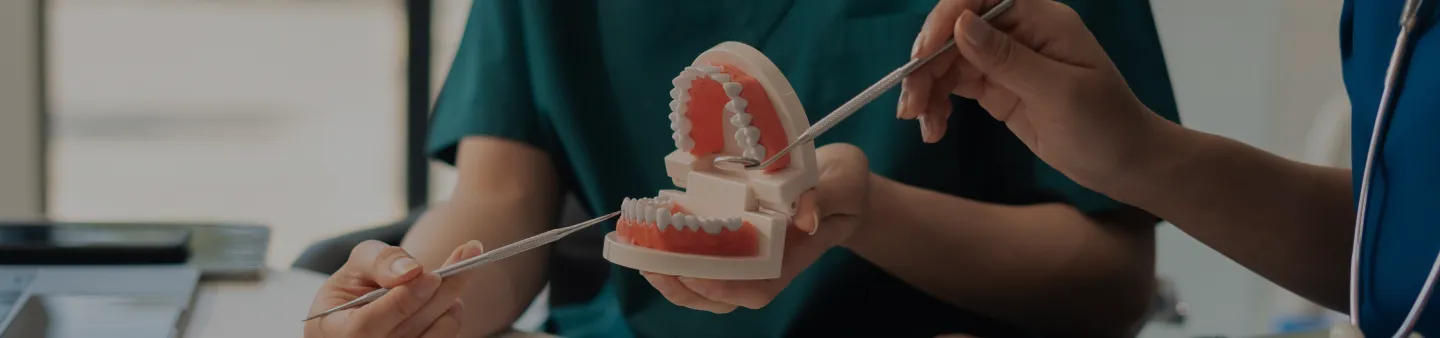
Common Orthodontic Issues in San Diego, CA: What Patients Need to Know
Patients in can find clear information about bite and alignment problems at San Diego Orthodontic Specialists. This guide to common orthodontic issues in San Diego, California, explains causes, symptoms, and typical treatments so you can understand what is happening with your teeth and jaws before deciding on next steps with Dr. David Li.
Common Orthodontic Issues Explained
Orthodontic problems affect how teeth fit together and how the jaws function. They can be present in children, teens, and adults. Early evaluation has benefits, but treatment can help at almost any age.
Crowding and Spacing
Crowding occurs when there is not enough room for teeth to line up properly, leading to overlap and rotation. Spacing, including a gap between the front teeth (diastema), happens when there is extra space. Both can make brushing and flossing harder and may affect smile esthetics.
Overbite and Deep Bite
An overbite describes how much the upper front teeth overlap the lower front teeth. A deep bite is an excessive overlap that may cause wear on lower incisors, gum irritation, or jaw discomfort. Many patients ask, “What is an overbite, and does it need treatment?” Treatment depends on severity and symptoms.
Underbite and Crossbite
An underbite occurs when the lower front teeth or jaw sit ahead of the upper front teeth. Crossbite means some upper teeth bite inside the lowers, either in the front or back. These conditions can increase tooth wear and strain jaw joints. Crossbite treatment options often include expanders, braces, or clear aligners with elastics.
Open Bite and Habits
An open bite leaves a vertical gap when back teeth touch. It can make biting into foods harder and may affect speech. Open bite causes include thumb or finger habits, tongue posture, and jaw growth patterns. Addressing habits early helps stabilize long-term results.
Impacted Teeth and Eruption Problems
Impacted teeth, often canines, get stuck in the bone or gum and do not erupt on time. Guided eruption with braces, a small surgical exposure, and a gentle traction chain can bring the tooth into position.
Why Address Orthodontic Problems
Correcting alignment and bite issues protects teeth and gums and can improve function and comfort.
- Improved cleaning access reduces the risk of cavities and gum disease.
- Balanced bites distribute chewing forces and limit abnormal wear.
- Jaw alignment can lessen muscle strain and tension headaches.
- Clear speech and efficient chewing often improve with better tooth positions.
- Early orthodontic treatment can guide growth and reduce future complexity.
How Orthodontic Treatment Works
Care begins with an exam, photos, digital scans or impressions, and X-rays to map tooth positions and jaw relationships. A personalized plan focuses on how to fix crowding, spacing, and bite problems with the least complexity possible.
- Braces use gentle, continuous forces to move teeth into better alignment.
- Clear aligners like Invisalign or other systems straighten teeth using a series of removable trays.
- Expanders widen the upper jaw to correct crossbite and create space.
- Elastics and small temporary anchorage devices help fine-tune the bite.
- Retainers maintain results once active movement ends.
How do braces fix crowding? Light, controlled forces reshape the ligament around teeth, allowing bone to remodel as teeth move into place. Underbite correction may involve tooth movement, growth modification in younger patients, or combined orthodontic and surgical approaches in adults.
What to Expect
Most visits are short progress checks every four to eight weeks, depending on the appliance. It is normal to feel mild soreness for a day or two after an adjustment or new aligner. Over-the-counter pain relievers and a soft diet help during this period.
Oral hygiene is essential. Brush after meals, floss daily, and use tools like floss threaders or water flossers around braces. With aligners, wear them 20 to 22 hours per day and remove only for eating, drinking anything besides water, and cleaning. Some foods are harder on braces, so avoid very sticky or hard items that can break brackets. Retainers are critical after treatment because teeth can shift without ongoing support.
Frequently Asked Questions About Common Orthodontic Issues
Book Today
Request Your Appointment
Ready to take the next step toward a healthier, straighter smile? Request an appointment with our experienced orthodontist today! We are proud to serve children, teens, and adults with personalized care, modern technology, and a supportive experience from consultation through completion. Let us help you discover the treatment option that fits your goals, lifestyle, and timeline. Call San Diego Orthodontic Specialists today to get started with trusted orthodontic care!
Book Now