


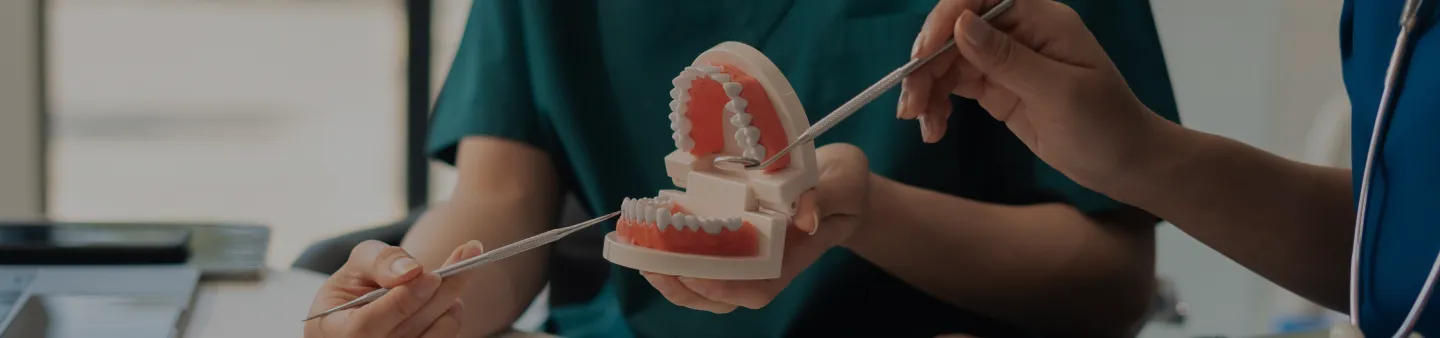
Early Orthodontic Treatment in San Diego, CA: A Parent’s Guide
Early orthodontic treatment helps guide jaw growth and create space for incoming teeth during a child’s mixed dentition years. At San Diego Orthodontic Specialists, families can explore how interceptive care supports long-term oral health and sets the stage for a balanced bite.
Early Orthodontic Treatment Explained
Also called interceptive orthodontics or phase 1 orthodontics, early treatment focuses on ages 6 to 10, when baby and adult teeth are both present. The goal is not to finish straightening every tooth. Instead, it aims to correct developing bite problems, improve the way the jaws fit together, and make room for adult teeth to erupt in healthier positions.
Examples of concerns addressed at this age include crowding, crossbite, open bite related to habits, underbite, and early or late loss of baby teeth. Early care often reduces the need for tooth extractions, simplifies later braces or aligners, and may shorten overall treatment time in the teen years.
Benefits of Early Orthodontic Treatment
- Guided jaw development to support a balanced facial profile.
- Improved space for erupting adult teeth, which can reduce crowding.
- Lower risk of impacted teeth by creating a clearer eruption path.
- Correction of crossbites and underbites while bones are still growing.
- Interruption of habits such as thumb sucking that affect bite and speech.
- Potentially shorter and simpler phase two treatment as a teenager.
How Early Orthodontic Treatment Works
Initial Evaluation
A comprehensive exam includes a bite assessment, photos, and digital imaging as needed. Orthodontist looks at tooth position, jaw relationships, breathing patterns, and growth trends. Many children do not need immediate treatment and are placed on a periodic observation schedule.
Personalized Plan
If early treatment is indicated, a plan is tailored to specific goals such as widening a narrow upper jaw, creating space for adult teeth, or correcting a crossbite. This plan outlines appliance options, expected timeframes, and check-in visits.
Common Appliances
Appliances used in interceptive orthodontics are designed to be gentle yet effective as a child grows:
- Palatal expander to widen the upper jaw and improve the bite.
- Partial braces to align select teeth and manage space.
- Space maintainer to hold room after early loss of a baby tooth.
- Habit appliance to discourage thumb sucking or tongue thrusting.
- Functional appliance to guide jaw growth and improve bite fit.
Monitoring and Phase Two
Active phase 1 treatment often lasts 6 to 12 months, followed by a holding period with retainers and growth monitoring. In the teen years, phase two with braces or aligners fine-tunes tooth alignment for the final result.
What to Expect
- Appointment rhythm that typically ranges from every 4 to 10 weeks depending on the appliance.
- Mild pressure or soreness after adjustments that improves within a few days.
- Clear guidance on brushing, flossing, and cleaning around appliances to protect gums and enamel.
- Diet adjustments for certain appliances, such as avoiding very sticky or hard foods.
- Home instructions for turning an expander or wearing elastics, if prescribed.
- Progress checks to confirm that growth and eruption are on track.
About Candidacy and Timing
The American Association of Orthodontists® advises an initial orthodontic checkup by age 7. Signs that your child may benefit from an early visit include crowding, difficulty biting or chewing, mouth breathing, jaw shifting or clicking, thumb sucking beyond age 5, and early or late loss of baby teeth. Even if no treatment is needed, a baseline evaluation helps determine the best timing for future care.
Frequently Asked Questions About Early Orthodontic Treatment
Book Today
Request Your Appointment
Ready to take the next step toward a healthier, straighter smile? Request an appointment with our experienced orthodontist today! We are proud to serve children, teens, and adults with personalized care, modern technology, and a supportive experience from consultation through completion. Let us help you discover the treatment option that fits your goals, lifestyle, and timeline. Call San Diego Orthodontic Specialists today to get started with trusted orthodontic care!
Book Now